Property Buying Tips Spain: Navigating the Property Buying Process in Spain
- Marketing @ LiveInSpain

- May 18
- 4 min read
Buying property in Spain offers a unique opportunity to own a piece of Mediterranean paradise. However, the process can be complex, especially for international buyers. I will guide you through the essential steps, share practical tips, and help you avoid common pitfalls. This way, you can make informed decisions and enjoy a smooth purchase.
Understanding the Spanish Property Market
Spain’s property market varies widely by region. Coastal areas like Costa del Sol and Costa Blanca attract many buyers, while cities such as Madrid and Barcelona offer urban living with cultural richness. Prices fluctuate depending on location, property type, and market trends.
Before you start, research the area thoroughly. Consider factors like climate, amenities, transport links, and local regulations. For example, some coastal towns have strict building codes or seasonal restrictions. Knowing these details helps you choose a property that fits your lifestyle and investment goals.
Spain’s property market is recovering steadily after past downturns. This means there are opportunities to find good deals, but also competition in popular areas. Work with a local real estate agent who understands the market dynamics and can negotiate on your behalf.
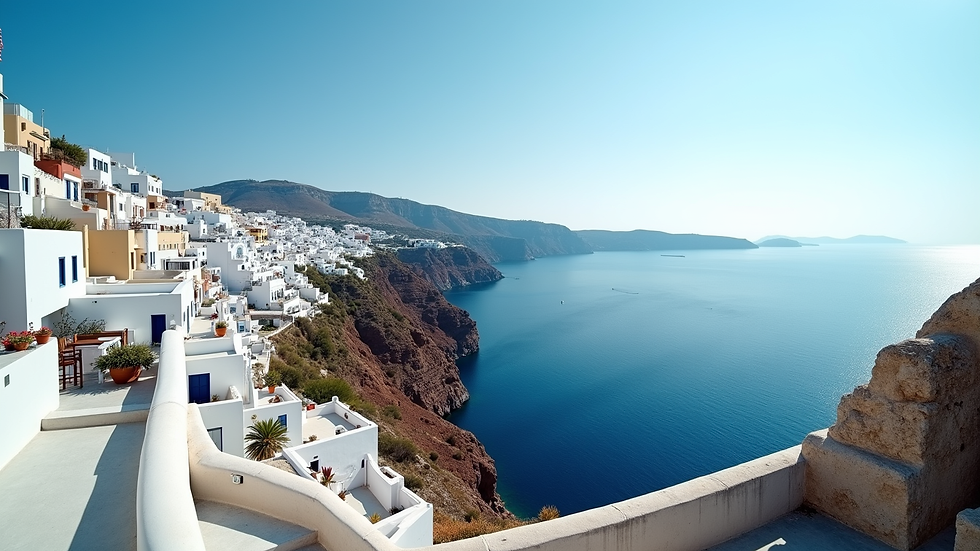
Property Buying Tips Spain: Key Steps to Follow
When buying property in Spain, follow these steps to protect your interests and ensure a smooth transaction:
Get a NIE Number
The NIE (Número de Identificación de Extranjero) is a tax identification number for foreigners. You need it to buy property, open a bank account, and pay taxes. Apply at a Spanish police station or through a consulate before you start.
Open a Spanish Bank Account
A local bank account simplifies payments, including deposits, fees, and taxes. It also helps with mortgage applications if needed.
Hire a Lawyer
A Spanish property lawyer is essential. They check the property’s legal status, verify ownership, and ensure there are no debts or liens. They also review contracts and guide you through the paperwork.
Make an Offer and Sign a Reservation Contract
Once you find a property, make a formal offer. If it's accepted, sign a reservation agreement and pay a deposit (usually 1% of the final price). This reserves the property while the lawyer carries out due diligence.
Sign the Private Purchase Contract (Contrato de Compraventa)
After checks, sign the private contract and pay a larger deposit (typically 10% of the purchase price). This contract outlines terms and conditions.
Complete the Purchase at the Notary
The final step is signing the public deed of sale (Escritura de Compraventa) before a notary. You pay the remaining balance, and the property is officially yours.
Register the Property
Register the deed at the local Land Registry (Registro de la Propiedad). This protects your ownership rights.
Throughout the process, keep copies of all documents and receipts. Transparency and record-keeping are crucial.
How Long Can I Stay in Spain if I Buy a Property?
Owning property in Spain does not automatically grant residency or the right to stay indefinitely. For Americans and other non-EU nationals, the rules depend on visa and residency permits.
Short Visits: You can stay up to 90 days within a 180-day period as a tourist without a visa under the Schengen Agreement.
Longer Stays: To stay longer, you need a residence visa or permit. Buying property alone does not guarantee this.
If you plan to spend significant time in Spain, consult immigration experts early. They can advise on the best visa options based on your property purchase and personal circumstances.
Financing and Taxes: What You Need to Know
Financing a property purchase in Spain differs from the US and other countries. Many buyers pay cash, but mortgages are available for non-residents.
Mortgages: Spanish banks typically lend up to 60-70% of the property value to non-residents. Interest rates vary but are generally competitive. Prepare to provide proof of income, credit history, and other documentation.
Taxes: Several taxes apply when buying property:
- Transfer Tax (ITP): Between 6% and 10% of the purchase price, depending on the region.
- VAT (IVA): 10% for new properties from developers.
- Stamp Duty: Around 1% of the purchase price.
- Notary and Registry Fees: Usually 1-2% combined.
Ongoing Costs: Budget for annual property taxes (IBI), community fees, utilities, and maintenance.
Work with your lawyer and financial advisor to understand all costs upfront. This prevents surprises and helps you plan your budget accurately.
Tips for Avoiding Common Pitfalls
Buying property abroad can be risky without proper preparation. Here are some tips to avoid common mistakes:
Do Not Skip Legal Checks: Always have a lawyer verify the property’s legal status. Avoid properties with unclear titles or debts.
Beware of Off-Plan Purchases: Buying before construction finishes can be risky. Check the developer’s reputation and contract terms carefully.
Understand Local Rules: Some areas have restrictions on foreign ownership or rental use. Confirm these before buying.
Visit Multiple Times: See the property in different seasons and times of day. This reveals noise levels, traffic, and neighborhood dynamics.
Use Reputable Agents: Choose agents with good reviews and local knowledge. Avoid those who pressure you to buy quickly.
Plan for Currency Exchange: Fluctuations in exchange rates can affect your budget. Use currency transfer services to get better rates.
By following these tips, you reduce risks and increase your chances of a successful purchase.
Final Thoughts on Buying Property in Spain
Navigating the property buying process in Spain requires careful planning and expert advice. From obtaining your NIE number to signing the final deed, each step demands attention to detail. I recommend working with trusted professionals who understand the local market and legal system.
Remember, buying property in Spain is not just a transaction. It is an investment in your future lifestyle and security. Take your time, do your homework, and enjoy the journey to owning your dream home in Spain.
With the right approach, you can avoid common pitfalls and make your Spanish property purchase a rewarding experience.



Comments